
The evolution of gambling Unraveling the history behind casino culture
Origins of Gambling
The history of gambling traces back to ancient civilizations, where games of chance were prevalent. Archaeological findings suggest that Chinese and Roman societies engaged in gambling activities as early as 2000 BCE. These early forms of gambling often involved simple dice games, betting on outcomes of events, and rudimentary card games that laid the groundwork for future developments. As players explore different options, some may find that bitcoin casinos offer unique experiences.
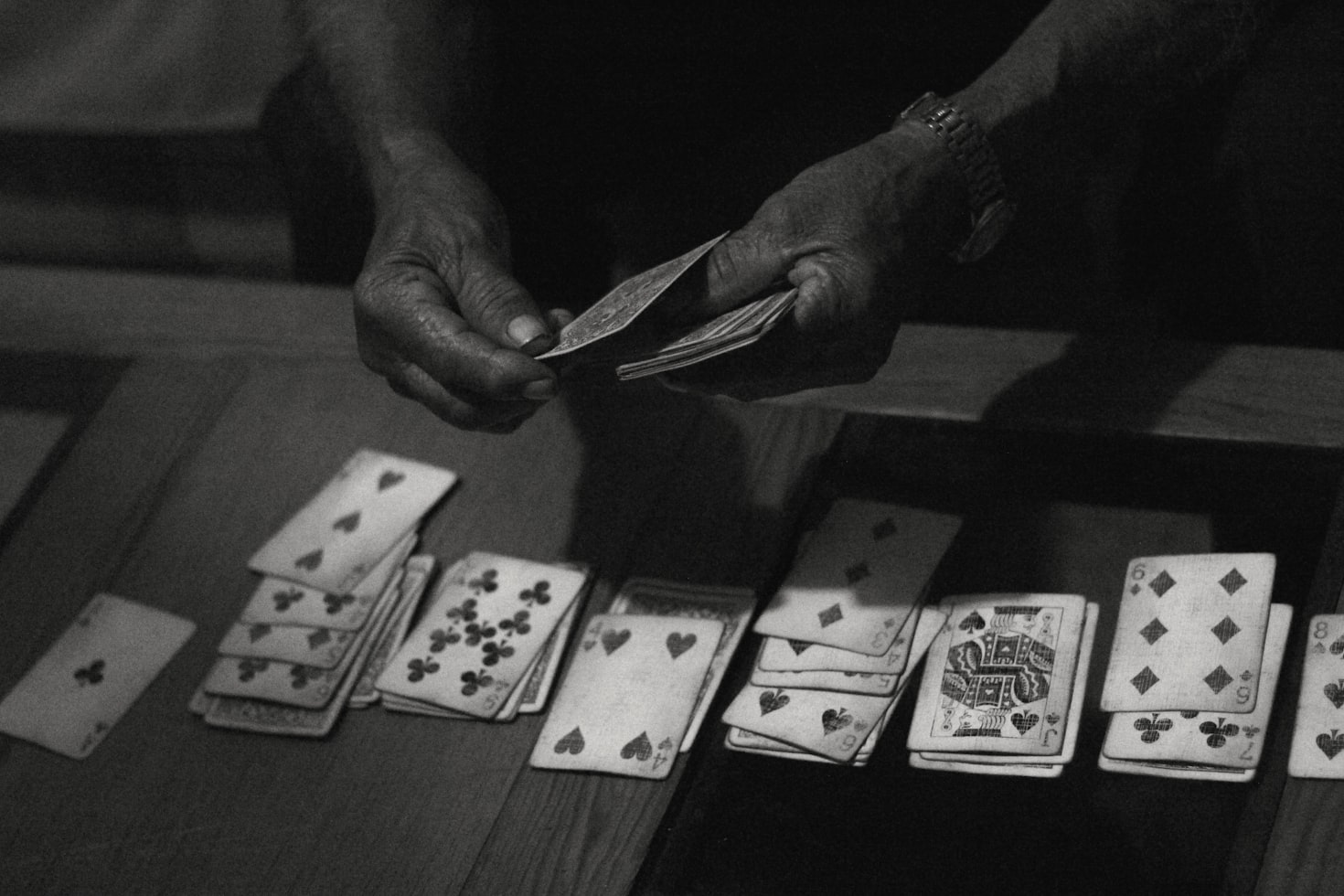
As societies progressed, gambling evolved into more structured activities. The invention of playing cards in the 9th century in China marked a pivotal moment, introducing new games and betting strategies. As these games spread along trade routes, they assimilated various cultural elements, further enriching the gambling landscape.
The Rise of Formal Gambling Establishments
The establishment of formal gambling venues can be traced to the Renaissance period in Europe, where the first casinos began to emerge. The Casino di Venezia, founded in 1638, is often credited as the world’s first casino, offering a wide array of games and attracting the aristocracy. This period saw the creation of popular games such as roulette and baccarat, which contributed significantly to the casino culture.
As gambling gained popularity, governments began regulating the industry. This move aimed to protect players and ensure fairness, thus enhancing the legitimacy of casinos. The 19th century saw gambling establishments flourish, especially in cities like Monte Carlo and Las Vegas, which became synonymous with the glamour and excitement of casino culture.
The Impact of Technology on Gambling
The advent of technology transformed the gambling landscape significantly. The introduction of mechanical slot machines in the late 19th century revolutionized the gaming experience, offering players a chance to win with minimal skills involved. The “one-armed bandit” quickly became a staple in casinos, attracting a broad audience and driving revenue.
In recent decades, the rise of the internet has ushered in a new era for gambling. Online casinos have made it possible for players to engage in gambling activities from the comfort of their homes. This digital transformation has led to the development of various new games and betting strategies that cater to a global audience, further evolving the culture of gambling.
The Cultural Significance of Gambling
Gambling has always held a unique place in society, often reflecting cultural values and societal norms. In many cultures, gambling is viewed as a form of entertainment that fosters community and social interaction. From high-stakes poker games in private homes to lavish casino resorts, gambling is woven into the fabric of social life.
Moreover, the portrayal of gambling in popular media, including films and television shows, has reinforced its cultural significance. Narratives surrounding the thrill of winning and the perils of addiction highlight the dual nature of gambling—both as an exhilarating pastime and a potential risk. This dichotomy continues to shape perceptions and attitudes toward gambling in contemporary society.

Exploring Casino Culture Today
Today, casino culture encompasses a diverse range of experiences, from traditional brick-and-mortar establishments to innovative online platforms. Modern casinos offer much more than just gambling; they are entertainment complexes featuring gourmet dining, live performances, and luxurious accommodations. This evolution has turned casinos into destinations for tourists and locals alike.
The future of gambling seems poised for further transformation. With advancements in technology and changing societal attitudes, new forms of gaming are continually emerging. The integration of virtual reality and artificial intelligence into the gambling experience holds the promise of a more immersive and personalized approach, shaping the next chapter of casino culture.